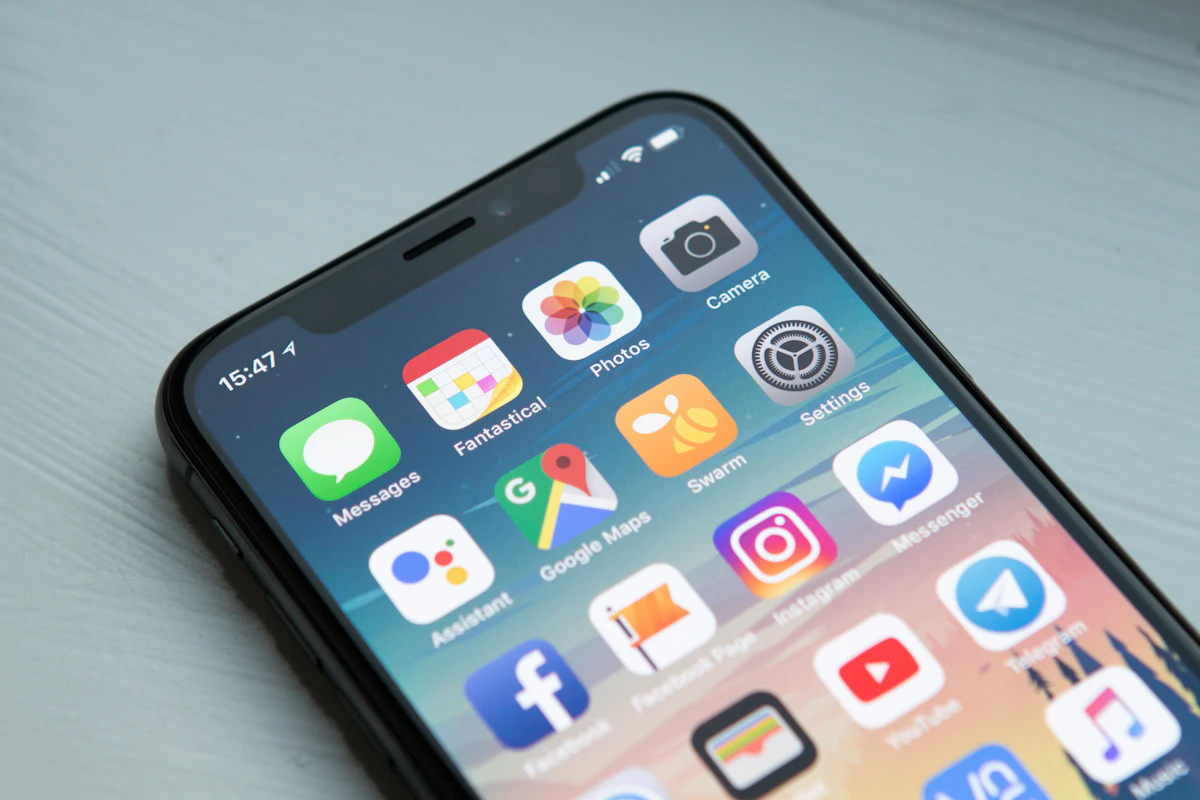
We live in a deeply mobile-first economy. From ordering groceries in minutes to managing complex stock portfolios, the modern consumer expects to solve their problems with a tap on their smartphone screen. If you have an innovative idea that simplifies a process, entertains, or creates a new marketplace, building a mobile application is the ultimate way to connect directly with your audience.
However, having a billion-dollar app idea is only 1% of the journey. Execution is everything. Every day, thousands of apps are uploaded to the Apple App Store and Google Play Store—and the vast majority of them fail within the first month. Why? Because the founders skipped critical steps in research, user experience (UX) design, and technical architecture.
If you are wondering how to create a mobile app from scratch, you are in the right place. This definitive guide will walk you through the entire lifecycle of app development, ensuring your digital product is built to scale, survive, and dominate.
The Mobile App Landscape: By the Numbers
Before writing a single line of code, you must understand the sheer scale of the mobile market. The data proves that if your business isn't optimized for mobile, you are missing out on the largest consumer demographic in history.
Step 1: Ideation and Market Validation
Do not hire a developer yet. The biggest mistake first-time founders make is falling in love with their idea without checking if anyone actually wants to use it. Start by answering three fundamental questions:
- What precise problem does this app solve? An app must offer undeniable value—whether that means saving time, saving money, or providing elite entertainment.
- Who is your exact target audience? "Everyone" is not a target audience. Build user personas. Are you targeting college students needing budget tracking, or corporate executives needing secure document scanning?
- Who are your competitors? Search the App Store for similar ideas. Download your competitors' apps, read their 1-star reviews, and identify their weaknesses. That weakness is your market opportunity.
Step 2: Defining the MVP (Minimum Viable Product)
When planning your app, it’s tempting to want every feature under the sun—social sharing, augmented reality, AI chatbots, and a loyalty program. This is a recipe for a bloated budget and an endlessly delayed launch.
Instead, define your Minimum Viable Product (MVP). If you are building a ride-sharing app, your MVP needs a GPS map, a payment gateway, and a driver-matching algorithm. You do *not* need custom profile avatars or in-app games for version 1.0. Launch the core feature first, gather real-world user feedback, and iterate quickly.
Step 3: Wireframing and UI/UX Design
User Experience (UX) and User Interface (UI) design will literally make or break your application. Users have zero patience for confusing navigation. If they can't figure out how to use your app in the first 10 seconds, they will uninstall it.
Start with a Wireframe. This is a simple, black-and-white sketch of your app's screens. It acts as the architectural blueprint. Map out the user journey: How many taps does it take to get from the login screen to the checkout button? Once the wireframe is solid, your design team will apply your brand colors, typography, and interactive animations to create a high-fidelity prototype.
Step 4: Choosing the Right Tech Stack
You have a critical technical decision to make regarding the underlying code of your app. Your choice depends on your budget, timeline, and performance needs:
- Native Development (Swift for iOS / Kotlin for Android): Building a Native app means writing separate code for Apple and Google devices. It is the most expensive route but offers the highest possible performance, security, and fluid animations. Required for heavy gaming or complex AR/VR apps.
- Cross-Platform Development (Flutter / React Native): You write the code once, and it deploys perfectly to both iOS and Android. It cuts development time and costs nearly in half and is the preferred choice for 90% of modern startups and e-commerce platforms.
- Progressive Web Apps (PWAs): Essentially a highly advanced website that looks and feels like an app when saved to a mobile home screen. Great for businesses on a strict budget.
Step 5: The Development Phase and API Integration
This is where your vision turns into functional software. While your front-end developers bring the UI designs to life, your back-end developers will set up the servers, databases, and APIs necessary to store user data securely.
At this stage, you will likely integrate third-party APIs to save time. Instead of building your own payment system, you integrate Stripe or Razorpay. Instead of building a mapping system from scratch, you integrate the Google Maps API.
Step 6: Rigorous QA and Testing
Never launch an app without extreme Quality Assurance (QA) testing. Your developers will hunt down bugs by testing the app on dozens of different devices, screen sizes, and operating system versions.
They will conduct stress tests (what happens if 10,000 people log in at once?) and security tests to ensure user data cannot be breached. It is always better to delay a launch by a week to fix a bug than to launch a broken app and receive a wave of 1-star reviews.
Step 7: App Store Optimization (ASO) and Launch
Submitting your app to the stores requires following strict guidelines set by Apple and Google. But getting approved is only step one. Now you must rank for keywords.
App Store Optimization (ASO) is the SEO of the mobile world. You must optimize your App Title, write a keyword-rich description, and upload highly engaging screenshots and a promo video. A strong ASO strategy is the difference between getting 10 organic downloads a day and 1,000.
Step 8: Post-Launch Marketing and Maintenance
The work doesn't stop on launch day; it only begins. You must track user analytics aggressively. Which screens are users spending the most time on? Where are they dropping off? Use this data to release Version 1.1.
Simultaneously, launch your digital marketing campaigns. Utilize Facebook and Instagram App Install ads, partner with micro-influencers, and leverage your existing email lists to drive that crucial initial wave of active users.
Conclusion: Your Digital Journey Starts Here
Building a successful mobile app is a complex, multi-stage marathon that requires a dedicated team of UX designers, full-stack coders, and digital marketers. While the journey is challenging, the reward of owning a scalable digital product used by thousands of people is unparalleled.
At Digital Raasta, we specialize in end-to-end mobile app development and marketing. From refining your initial wireframes to pushing the final bug-free code to the App Store—and driving the traffic needed to make it profitable—we are your dedicated technology partner. Ready to bring your billion-dollar idea to life? Let’s start building.
